I’ve never been interviewed for a podcast. (If you’ve had any experience with podcasting, any insights would be much appreciated!) This will be new to me. So, of course, I have to study up, do my research.
When first asked, I said, “What? A video?” I assumed it would be more like being on the radio. “So I have to wear makeup and sh..t?”
Laughter. “No. Of course you don’t have to wear makeup.”
Yeah, right.
Then I thought of my work space and where I zoom. I don’t mind friends seeing my overly cluttered background of miscellaneous pastel works, curled photos taped to a shelf, an amazon box of whatnots. I didn’t even mind the publishing staff having to stare behind me at the mess. But a podcast? I’d have to organize and reorganize and worse, stress about it.
“We can just do audio if you want to,” he said.
Settled.
Except for writing, I’m a planner for things of this sort. I don’t want to be caught off guard and asked a question where I’d have to hem-an-haw long enough for the listeners to lose interest (And I wouldn’t blame them. Silence is not always golden)
Here’s an article I found. You can read it all here.
Gather essential information ahead of time.
If you haven’t already created a system to track podcast interview details, now’s the time to do it. It doesn’t have to be elaborate—a simple spreadsheet works well. Start with the name and URL of the podcast, the host’s name and contact info, the date and time of your interview (don’t forget time zone!), the topic you’ll be discussing, and any other details you want to keep track of.

Now’s also a good time to create a basic reference sheet to keep handy during the actual interview. I recommend jotting down:

A brief, first-person bio you can refer to if you’re invited to introduce yourself at the start of the episode.
A short list of talking points to help keep yourself on track. Note that this doesn’t mean scripting out every word you plan to say. Much of the beauty of podcasts interviews is their spontaneity and the natural flow of the conversation between the host and the guest. But, you can jot down a few of your main points that you want to be sure not to forget. If the host provides you with questions in advance, you can include those here too.
A specific place to send the audience after the episode.
Okay, so this gave me ideas for some questions I could easily answer:
Which of the characters do you relate to most and why?
What drives each character?
What inspsired the idea for you book?
How much research did you need to do for your book? (historical fiction, so duh)
Which characters do you relate to the most and why?
How do you use social media as an author? (I’m not really good at this!)
Which comes first to you – plot or characters- and why?
When did you start writing?
What to you are the most important elements of good writing?
And of course, “In a nutshell, what is your book about?”
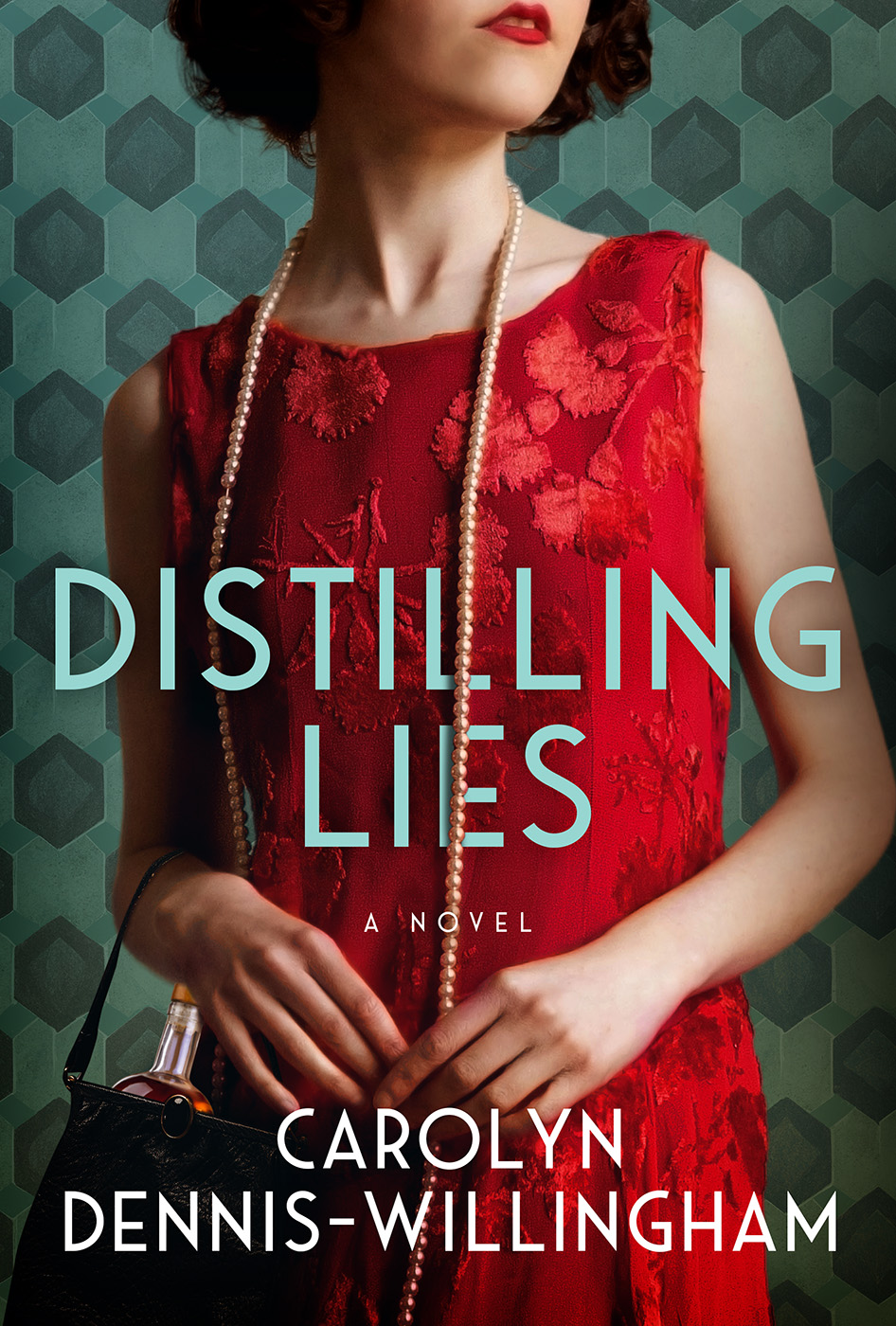
This question I’ll answer now: Set during the prohibition era, Distilling Lies is about a 17 year old girl who must delve through the lies and betrayal of family, friends and small town corruption in order to find her missing mother.
I won’t answer those other questions here. At least, not yet. But if they are not asked on Podcast Day, I might have to come back and do what I do best – type out my answers.
Carolyn Dennis-Willingham is the author of Distilling Lies, now available on Amazon.



 Carolyn Dennis-Willingham