
A Raisin of Serendipitous Learning

When she told me NOT to throw away the moldy orange, I questioned her sanity.

Why in the world would we want to keep this tainted fruit within arms reach of four-year-old children? And why would I, the 24 year-old teacher with a degree in Early Childhood, listen to my 56 year-old assistant teacher with no formal education?
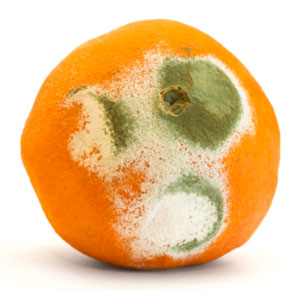
annoying-orange-mold


“Because,” she’d said, “It is a learning experience, a teachable moment. It’s science.

I was awestruck.

That is why “Vivian” and I worked so well together. I taught her how to implement bias-free education in our classroom. She taught me that hoarding can lead to serendipitous learning and creativity.

Today, over 20 years later and still a hoarder, I was reminded of my friend, Vivian, when I cleaned out the trunk of my car. Behind the boxing bag, a ton of smelly hand wraps, and a couple of sweaters, I found something which must have fallen out of my grocery bag months ago.

I’ll give you a hint. They used to be grapes. But now …
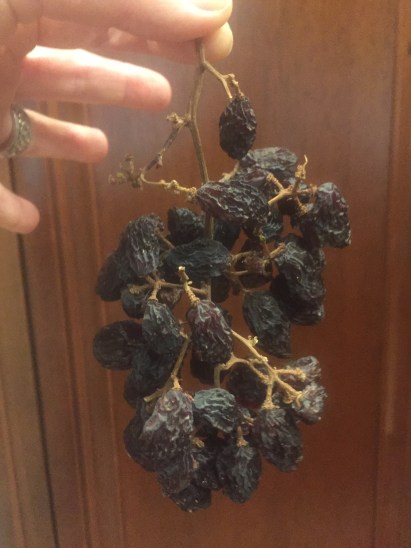
IMG_2587

I hear Vivian’s voice in my head saying, “Don’t throw it away! Show your grandchildren.”

And so, I will.

Wherever you are today, Vivian, THANK YOU for one of many teachable moments!


photo credit
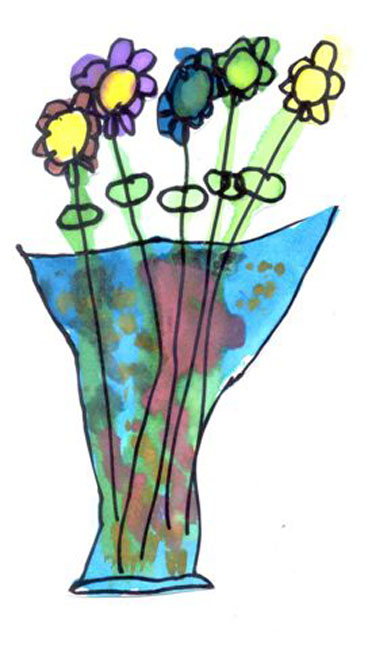


The One Hundred Languages of Children

An amazing inspirational poem about children, the mistakes we make in teaching them, and how they can learn to become their true selves.

specialist_flowers

photo credit

THE ONE HUNDRED LANGUAGES OF CHILDREN

The child is made of one hundred.

The child has a hundred languages a hundred hands a hundred thoughts a hundred ways of thinking of playing, of speaking.

A hundred always a hundred ways of listening of marvelling of loving a hundred joys for singing and understanding a hundred worlds to discover a hundred worlds to invent a hundred worlds to dream.

The child has a hundred languages (and a hundred hundred more) but they steal ninety-nine.

The schools and the culture separate the head from the body.

They tell the child: to think without hands to do without head to listen and not to speak to understand without joy to love and to marvel only at Easter and Christmas.

They tell the child: to discover the world already there and of the hundred they steal ninety-nine.

They tell the child: that work and play reality and fantasy science and imagination sky and earth reason and dream are things that do not belong together.

And thus they tell the child that the hundred is not there.

The child says: No way. The hundred is there.

Loris Malaguzzi