For the Love of Tio Chango

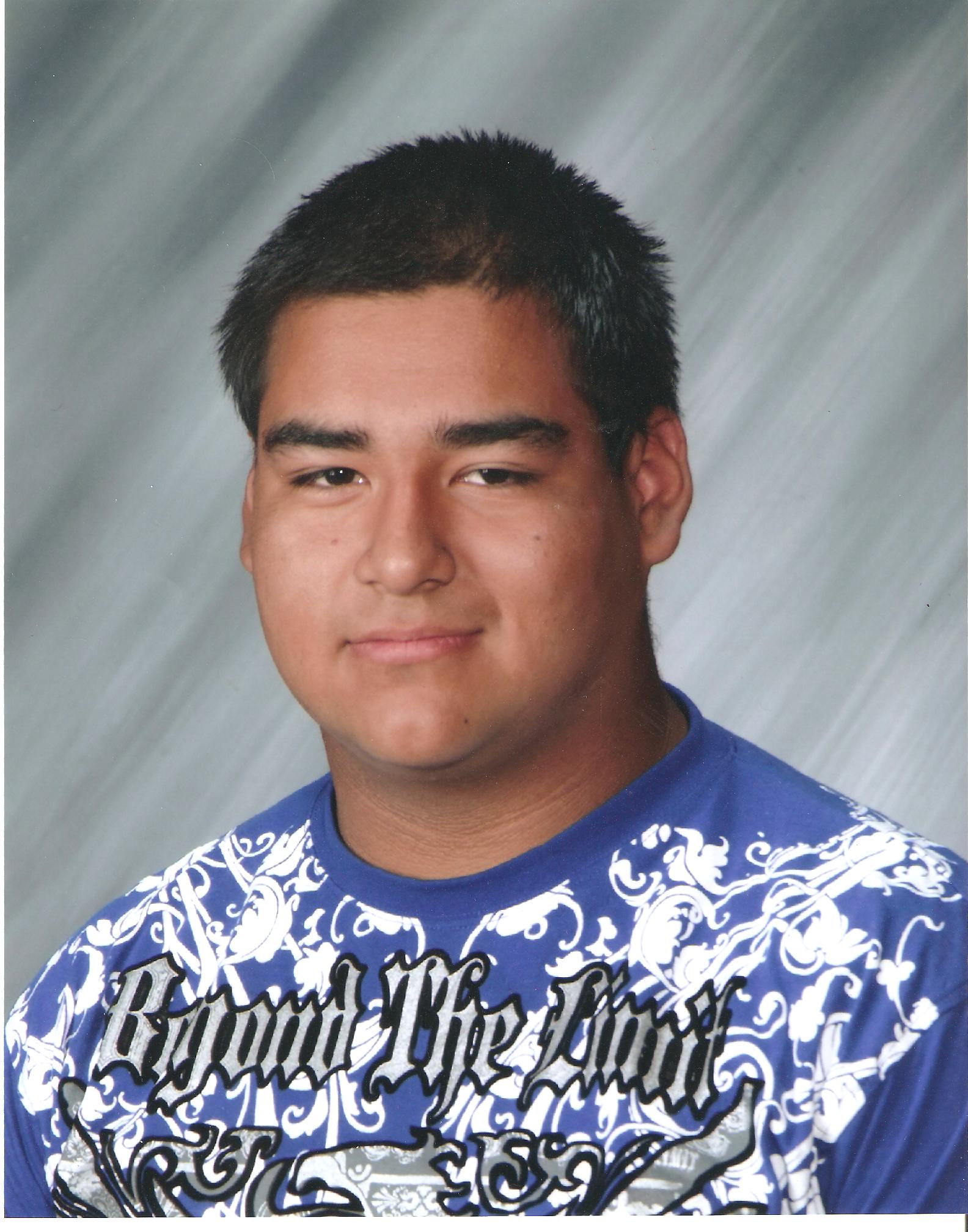
John Flores is a Senior at Rotan High School. He is on the Varsity Center for the football team, and the current Valedictorian of his class. “My dream is to go to Rice University and Baylor college of medicine so I can become a psychiatrist and help people. Neither of my parents work as they are both disabled. My mother has Multiple Chemical Sensitivity and is bedridden, while my father has severe back problems that require surgery.”  Congratulations to John for being a first place winner in the “No Hill for a Stepper” essay contest!  Here is his essay:
“It’ll get ya’ one of these days…”

Alcoholism is a very prevalent problem within society. It can also be down right devastating to the family affected by it.  Both my parents have been able to beat their addictions, but my uncle had the hardest time of all. “Tio Chango” is Spanish for “Uncle Monkey” , and that was my uncle Julian’s nickname. It was appropriate, because he liked to climb stuff when we was drunk, which was everyday. I grew up with my uncle being known as the town drunk, and seeing him beg for money to go buy another beer made me sick to my stomach.

Unfortunately, the years of alcohol abuse rendered his body helpless to diseases and infections. It took my sisters and I a whole year to convince him to stop drinking, for his sake. When he saw our determination, and the pain he put us all through, my uncle Julian was finally able to rid himself of his demons once and for all. He told me, on his death bed, that his only regret was not doing it sooner and not being able to spend more time with me.

After his death, I heard whispers around town, satisfied that the “menace to society” was finally gone. Sure he may have been a drunk and hurt quite a few people, but I was still proud of him. From the time he became ill and the time he died, my Uncle had been sober for almost two years. It was hard letting him go, he was like a second father to me, but solace came when I considered that he at least wasn’t in pain anymore.

Some people aren’t as strong-willed as my Uncle was. That’s not to say, however, that it is impossible for them to put down the bottle. Alcoholics Anonymous is the most effective form of therapy and is the number one leading treatment for alcoholics. It provides privacy, a safe environment, encouragement, and offers several tips on how to stay clean. Rehab is another way to help alcoholics free themselves of temptation. Rehab is usually a an in-patient retreat to a hospital ward, where they can monitor your progress more thoroughly. Finally, for those that couldn’t afford anything else, there is hope. As simple as it sounds, showing the alcoholic that he/she is hurting someone they love and that their family is willing to help could be enough to scare the alcoholic. Support throughout the entire ordeal is a must. This is the method that helped kick my uncles bad habit.

Without perseverance, the options listed won’t work . However, with the love and support of family and friends, there truly won’t be “No Hill for a Stepper”. Alcoholics just need to feel their support take each step with them.
Escape of the Everyday Yelling

 
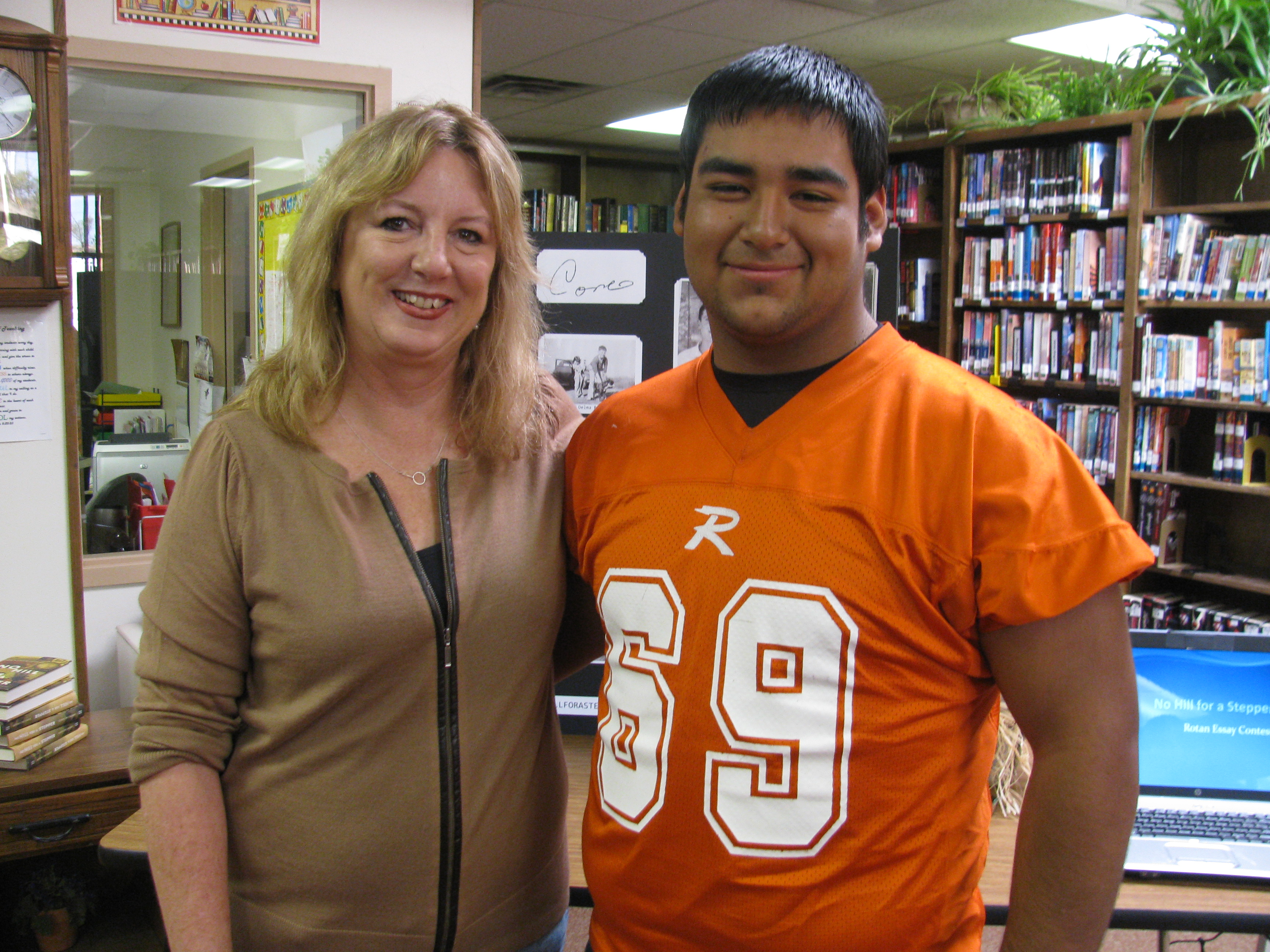
Darrell Buratti is  a senior at Rotan High School. He plays football, basketball, and works at the grocery store. “I love to go out and have fun with my friends but I also know when to buckle down and get serious.” Darrell was a second place winner in the “No Hill for a Stepper” essay contest.                                     

 
“No Hill for a Stepper” essay contest – by Darrell Buratti
 
            Many people in today’s society have family problems. Family problems harm a child not only in their adolescent years; they can continue to follow them through their adult and parenting years as well. In this essay I will tell you the story about one of my closest friend’s family disputes growing up in the house with an alcoholic father and a deceased mother.
            On the outside Richie is just like any other kid in America, he loves to have fun with his friends, party when he gets the chance, and watch sports. His mother died from illness when he was only ten years old leaving him with only his dad rich and his little brother Chris. As the days grew on rich began to try drinking away the pain of losing his wife, which led to becoming an alcoholic. Richie has told me on many occasions how much he wishes he could leave his house and escape the everyday yelling and bickering that his dad dishes due to one thing or another. Richie thanks god every day that his father is not physically aggressive towards him or his little brother, even though they’re scared that passiveness will one day end. I find that Richie can relate to “No Hill for a Stepper” because he is on an ever climbing hill trying to escape his everyday life of yelling and screaming.
            There are numerous ways to try to resolve situations like Richie’s. One of the most common ways of family resolution is therapy. Therapy comes in all shapes and sizes, there are some families that choose to go to therapy many times a week; there are others that only go twice a month. Another big factor is choosing your family’s therapist. You want to find a very knowledgeable, experienced, and licensed therapist who has some family experiences of their own childhood which he/she can compare to.
Before you enter into your therapeutic sessions you should first understand your rights. Children under eighteen are allowed to say whatever they feel to the therapist without the parents knowing. Counselors are also not allowed to share any family information with anybody other then the family itself.  Some families choose to take a religious route when it comes to therapy. Followers of God usually find great comfort in sharing their disputes with a pastor or minister; church counselors can be astounding for great moral support. However, if you are part of the gay community then I wouldn’t recommend going to a church counselor for fear of judgment and shun. Gay families should search for someone who is understanding and knowledgeable of today’s modern cultural differences.
My beliefs on these different types of therapy are shared by many. I believe that therapy should not be your first or your last resort. What I mean by this is that a family should not simply decide that they cannot talk to each other in order solve simple problems instead of going to counseling. On the flip side however, a family should not wait until it’s too late. One individual cannot make the decision to go to therapy, both sides of the relationship must agree on the decision.